Simple Vedic Practices
Explore optional, culturally rooted traditions intended to encourage reflection, gratitude and inner calm.
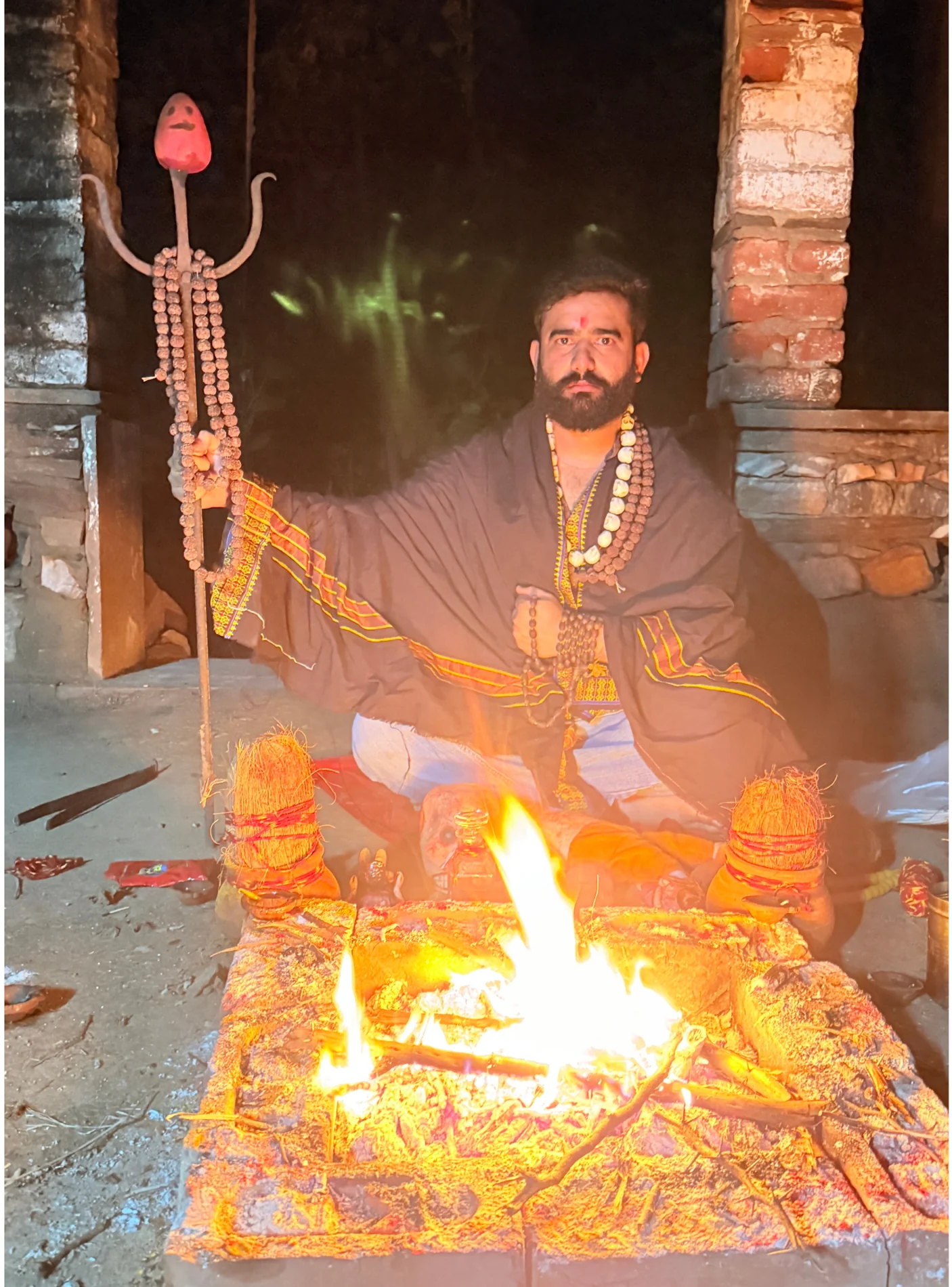
Faith. Intention. Meaning.
Traditional practices have long been part of daily life for many families. Their value is personal and spiritual; they should never be treated as guaranteed cures or outcomes.
Morning Reflection
Begin the day with a quiet moment to consider your intentions.
Mantra & Prayer
Explore devotional repetition and prayer as optional spiritual practices.
Gratitude
Acknowledge people and moments you appreciate.
Acts of Kindness
Support others through small, practical acts of generosity.
Understanding the Role of Remedies in Vedic Traditions
The word remedy can mean different things depending on the setting. In healthcare it may describe a treatment, while in a spiritual conversation it can refer to prayer, mantra, ritual or a personal act of devotion. On Sonu Ji's website, Vedic remedies means traditional cultural and spiritual practices only. They are not medical treatments or proven ways to change future events. It is important to know this distinction before considering any practice, particularly when a person is worried about health, relationships, money or safety.
Across households, spiritual routines may express gratitude, community belonging or a wish for a fresh start. Their meaning is personal; no particular practice is compulsory. A visitor can ask questions about tradition, choose a simple custom or decide not to participate. A consultation is more helpful when it explains what the practice represents rather than making an impossible promise about what it will achieve.
Starting with Intention Rather Than Fear
A meaningful spiritual routine begins with an intention that you can understand. You might want time to reflect before a difficult conversation, remember someone important or express gratitude for family support. An intention differs from a guaranteed outcome. Choosing to pray for patience does not force another person to apologise; choosing a traditional observance before opening a shop does not make customers buy. Recognising that difference protects your independence and helps prevent fear-based purchases.
Be cautious when someone says a problem will become worse unless a large payment is made immediately. A credible explanation should allow time, questions and the freedom to decline. You should never be encouraged to borrow money for a ritual or hide the cost from your family. A familiar, modest practice can hold personal meaning without creating financial pressure.
Prayer as a Personal Routine
Some people include a brief devotional prayer at the start or end of a day. Others prefer festivals, group worship or a quiet moment of reflection. There is no need to imitate a demanding routine that does not fit your home or schedule. Choose an option suited to your beliefs, health and responsibilities. The significance of the practice is found in the cultural or personal intention, not in a guarantee that a particular event will occur afterward.
If relatives hold different beliefs, participation should remain voluntary. Avoid using a prayer as a test of loyalty or demanding that a child perform it out of fear. Mutual respect is more likely to strengthen relationships than compulsory observance. A person who does not follow any ritual can still express care, gratitude and responsibility in everyday actions.
Mantras, Meaning and Repetition
Mantras are part of several Indian spiritual traditions. Their words, pronunciation and context can matter to people who practise them. A visitor may ask about the traditional meaning or whether there is a simple form suited to personal reflection. No mantra can scientifically guarantee a medical cure, a job offer or reconciliation with another person. Treat specific claims about an unavoidable result with caution.
Keep physical safety in mind. Practices involving long periods of breath-holding, strenuous activity or extended fasting can present risks, especially for people with particular health needs. Do not change medication or treatment to follow a spiritual routine. Choose an activity that is safe and comfortable, or seek advice from an appropriate healthcare professional when uncertain.
Rituals in the Home and at Important Events
Flowers, lamps or customary readings may be used in family worship. Fire and smoke need care: place flames safely, never leave them unattended, and consider children, pets, ventilation and respiratory conditions. No expensive collection of materials is necessary simply because someone has promised to remove a problem. Different communities follow different customs, and respectful variation is normal. Ask about the purpose and safety of a practice before agreeing.
Ceremonies also accompany weddings, home moves and business openings in many communities. Such moments can celebrate a transition and bring relatives together. They should be planned alongside the ordinary responsibilities of the event, such as contracts, finances, consent and logistics. An auspicious date is a matter of belief; it cannot guarantee a successful marriage or business.
Spiritual Cleansing and Negative Energy
Some people use the phrase negative energy when a space feels tense, uncomfortable or associated with difficult memories. Spiritual cleansing customs may have symbolic value, but there is no reliable scientific test demonstrating that a curse or supernatural force is causing the situation. Check practical explanations, such as lighting, maintenance, household conflict or health concerns, before assuming an unseen cause.
Avoid accusations against neighbours or relatives based on spiritual speculation. Blame can damage relationships and expose people to harm. If anxiety, fear or distress is persistent, professional support may help. The Negative Energy Removal page explains safe, voluntary traditions and the importance of distinguishing personal belief from verifiable facts.
Relationships, Family and the Limits of a Remedy
Spiritual practices cannot control another person's feelings or consent. A prayer may support your own reflection, but it cannot compel a former partner to return or make parents approve of a marriage. If the concern is recurring conflict, start with respectful communication and clear boundaries. Consider qualified counselling where needed. For deeper discussion, see Relationship Problems and Family Problems.
Remedies should not be used to blame a family member for setbacks. It is better to ask what each person is experiencing, whether there are practical issues that need attention and whether anyone feels unsafe. Where abuse or threats occur, safety and suitable professional or emergency assistance take priority over reconciliation rituals.
Health, Children and Financial Concerns
No spiritual remedy can diagnose a disease, treat a serious health condition or guarantee a child's development. Seek qualified medical or educational assessment when needed. Never delay treatment, stop medication or expose children to frightening or unsafe practices. Adults should also be careful about unknown herbs, substances, extreme fasting and heavy smoke. Health Problems and Child Problems explain these boundaries further.
Financial concerns require equally realistic thinking. A ritual cannot erase debt, guarantee a promotion or force a business to produce profit. Review your records and seek appropriate professional advice. Avoid spending important savings on claims of guaranteed prosperity. You can choose a modest act of gratitude or generosity because it reflects your values, not because someone promises it will multiply money.
Choosing a Practice Responsibly
Before agreeing to any recommendation, ask five questions: What does it mean within the tradition? Is it optional? Is it physically safe? What will it cost? Is anyone promising an outcome that cannot reasonably be guaranteed? Consider whether a practice fits your existing responsibilities and beliefs. If there is pressure, secrecy or a threat, decline and seek trusted advice. You should never feel obliged to continue because you have already made a payment or followed an earlier recommendation.
A useful spiritual discussion leaves room for uncertainty and personal choice. It can explain cultural context while directing medical, legal, psychological and financial matters to appropriate professionals. The separate Vedic Remedies service page explores particular categories of traditional practice. You can also learn about Sonu Ji's general philosophy on the About page.
Enquiring About Traditional Guidance
If you want to discuss a tradition, prepare a short question about its meaning and why it interests you. You do not need to send sensitive family records, medical reports or private information about another person through a general enquiry. Ask the team about consultation format and fees before making arrangements. This website does not process payments or book appointments automatically.
Use Book Consultation or WhatsApp +91-9351099266. A message is only an enquiry until the team responds. Any suggested practice should remain respectful, affordable and freely chosen. The most valuable outcome of learning about a tradition may be a clearer understanding of its meaning and your own intentions, rather than a promise about something outside your control.
Frequently Asked Questions About Remedies
Is there one Vedic remedy everyone must perform?
No. Traditions vary, and participation should be based on individual belief and choice. No ritual or object is compulsory, and different people may prefer different forms of reflection.
Can a remedy guarantee that someone will love me?
No. Another person's consent, feelings and decisions belong to them. Personal spiritual practice does not replace mutual communication or make someone act against their wishes.
Can spiritual cleansing replace medical care?
No. A ritual is not a diagnosis or treatment. Seek qualified healthcare for symptoms or persistent distress, and do not stop prescribed care because of any spiritual claim.
How do I ask Sonu Ji about a particular practice?
Send a brief enquiry through the booking page or WhatsApp +91-9351099266. Ask for the nature of the consultation, availability and any fee before proceeding.